 BCB asks: “There are witches all over social media! Some call themselves digital witches, and others claim to be cyber witches. What does this mean, and are they really witches?”
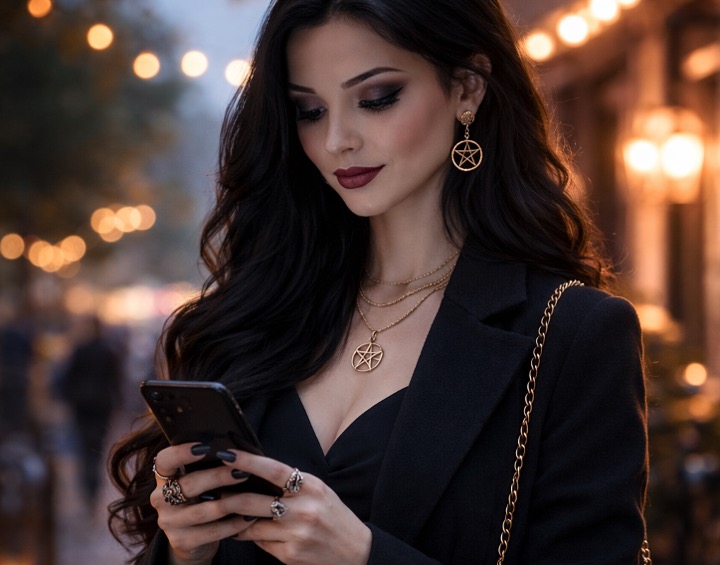
Yes, they are really witches, but today’s witch has traded a smoking cauldron and broomstick for technology and a more sophisticated look.
For those who are not familiar, the spread of witchcraft through social media has been advancing for at least a decade now. For example, the #Witchtok online community boasts billions of views from users interested in either learning about witchcraft or connecting to others who practice the Craft.
Etsy Witches made a name for themselves last year after a reporter purchased a witch’s services from the popular craft site to curse Charlie Kirk a few days before he was murdered on the campus of Utah Valley University. Although the site banned such services back in 2015, it allows witches to market their “wares” under the heading of Entertainment Services.
The “Instawitches of Instagram” have been around for years with #Witch currently boasting 10 million posts.
So yes, witchcraft has become a thoroughly modern practice that has been gradually shirking its taboos and becoming much more acceptable to younger generations. As a result, it has adapted itself to their world which revolves around social media.
One of the most common is the rise of digital witchcraft.
As a practicing witch named Margaux Swearingen defines in this article, “Digital witchcraft is the art of integrating modern tech—smartphones, computers, and digital platforms—into your magical practice.”
This involves the use of digital tools such as apps, software, devices, online communities to “amplify your magic.” Swearingen finds this type of witchcraft to be “ideal for the eclectic, the busy, the long-distance witches, and the ones who love having their altar in their pocket.”
Some of the ways witches employ technology in their Craft is to use programs such as Canva to create sigils (personalized symbols). These can be either demonic seals used to summon demons, or self-made symbols believed to be infused with the power to grant one’s wishes. These symbols can then be used in places such as phone wallpapers or lockscreens or imbedded into email signatures or on social media bios.
“That’s spellcasting with every scroll,” Swearingen writes.
She also recommends turning one’s phone into a kind of digital Grimoire (book of spells) by using sites such as Time Passages which also gives astrological advice, Labyrinthos which offers tarot lessons and readings, and A Guide to Crystals “for when you want to know the vibe of your pocket rock.”
You can also find online covens and digital communities where witches can “swap spells” and learn from one another.
She even relates how to set up a full altar on your device using apps like Pinterest and Canva to build a visual altar which includes saved images of “guides,” elements and sacred symbols.
As for Cyber witchcraft, this is performing actual spellcasting over the internet via Zoom, online covens, and meme magic (the creation and dissemination of memes aimed at infecting the collective consciousness).
There are literally thousands of psychics and tarot card readers who operate online. Popular platforms such as Kasamba and Keen offer tarot readings and live chat options. Psychic Source offers videos and chat sessions and Purple Garden offers the same services for those who prefer mobile app experiences.
More creative approaches can be found in witches such as The Cyber Witch who offers a custom spellcasting service (costing $950). This service involves discussing the details of a particular spell with the client over the phone or email, then determining the “proper astrological timing and lunar phases for the most potent magick.” Once the date arrives, the Cyber Witch records the ritual as a video which is shared with the client within 3 days after the ritual date. https://thecyberwitch.com/pages/tarot-readings
Ask a Witch provides quick answers to questions about the future, a love interest, etc. via a form on her website that she answers on her blog.
Even though today’s witchcraft looks and operates much differently from the age-old stereotypes, it utilizes the same “magick” (sorcery) that invokes the same evil that witches have relied upon for centuries. There is no version of witchcraft, whether it’s online or offline, black or white, cyber or digital, that is acceptable for Christians (See Catechism No. 2116-2117).
© All Rights Reserved, Living His Life Abundantly®/Women of Grace® http://www.womenofgrace.com
Send your New Age questions to newage@womenofgrace.com