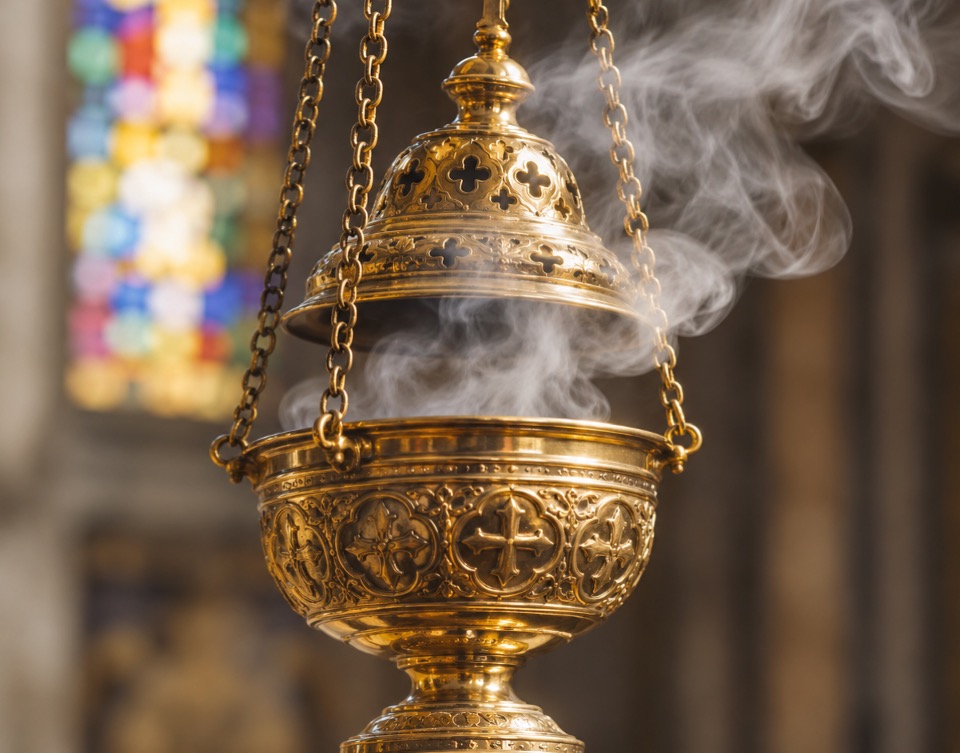
 MP writes: “I have a question concerning the way I pray and honor God. I have a collection of incense of many scents at home, and although I know the Church uses incense, it's Japanese incense, normally used for pagan practices...I really like praying with it because each stick burns for about 30 minutes, which is a good amount of time to spend with God. I also sometimes say a quick prayer and leave the incense burning to honor the Blessed Mother, a saint, or an angel of Catholic canon, and of course God Himself. I asked my local priest to bless my incense and he said it was a lovely idea but I wanted to ask you if its alright to use this kind of incense."
Before addressing the type of incense, it’s important to note that there is nothing wrong with the burning of incense during personal prayer. As we read in Psalm 141, "Let my prayer come like incense before you; the lifting up of my hands, like the evening sacrifice.”
The burning of incense has been in use by all of the world’s major religions since antiquity, usually for purification purposes or as an offering to a deity.
The use of incense by Christians is believed to have come from the Jewish tradition dating back to the time of Moses when the Lord instructed him to burn incense in front of the veil to the entrance of the meeting tent where the ark of the covenant was kept (Ex 30:1-10). Incense was also used as a thanks offering along with oil, rain, fruits and wine (Numbers 7:13-17).
It is very much approved by the Church, particularly in the liturgy but is also favored for private prayer.
As the General Instruction of the Roman Missal states, "Thurification or incensation is an expression of reverence and of prayer” (No. 276).
The USCCB adds that incense unites sight and smell in an expressive act of worship, a union that is particularly relevant to private prayer. The fragrance, the rising of the smoke, can serve as sensory reminders of God’s presence and the sacredness of the moment.
It’s also important to keep in mind that blessed incense is considered to be a sacramental which prepares us to receive grace and to cooperate with it. (Catechism Nos. 1667-1670)
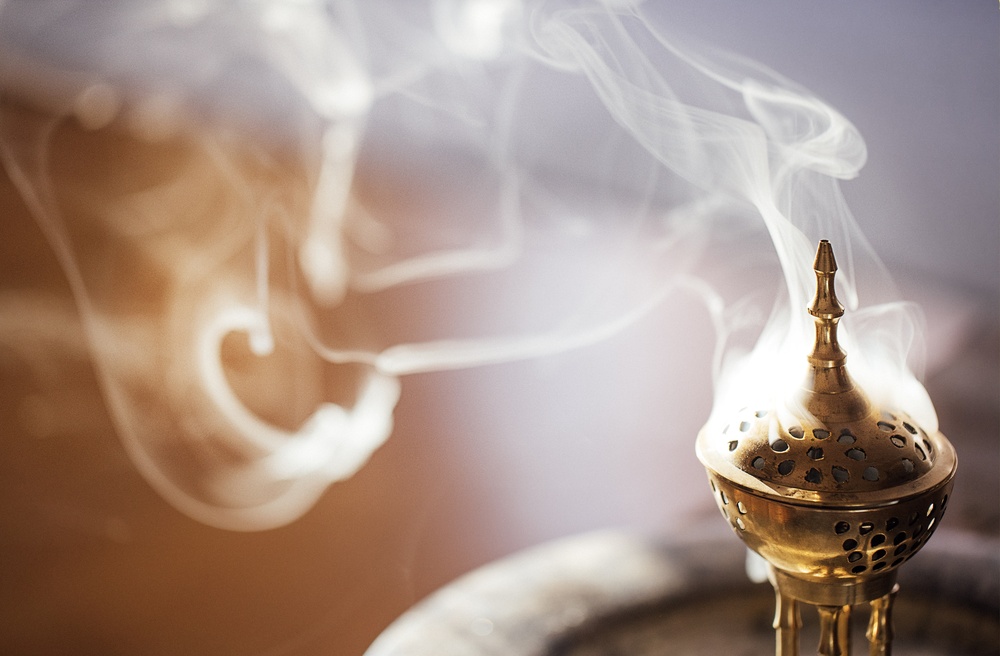 If the incense has not been blessed, it can still serve as a devotional aid.
As for the kind of incense to use, this definitely matters! As this blog explains, the art of incense crafting in some countries does involve spiritual rituals, particularly those fashioned in cultures where incense is used medicinally.
Japanese incense is a bit more nuanced. The use of incense was introduced into Japan through Buddhism but it eventually became part of Japanese secular culture where it is appreciated for its fragrance.
The fact that incense is Japanese does not automatically make it Buddhist, Shinto, New Age, or spiritually dangerous. What matters is its purpose, the beliefs associated with its use, and whether its use involves an invocation or religious practice incompatible with the Catholic faith.
When Catholics use incense, it’s meant to symbolize the rising of our prayer – and the offering of ourselves – to God. Hindu, Buddhist and Tibetan religions use incense in rituals invoking their gods.
New Age versions include:
Planetary or Astrological incense which is used in ceremonial magic associated with Saturn, Venus, Mars and other planetary influences.
Dragon’s blood ritual incense is used in witchcraft for protection, spell work, and magical empowerment.
Spell-Casting or Manifestation incense is sold for working love spells, attracting money, developing psychic powers, and in manifestation rituals.
Spirit-invocation incense is marketed as a device for communicating with spirits, ancestors or other entities.
Chakra or Energy-Cleansing incense is used for balancing the chakras, clearing negative energies, or manipulating auras.
Ceremonial Incense associated with Wicca is used in some pagan rituals, seasonal festivals, deity invocations and spell work.
Keep in mind that the incense used for New Age, occult, or neopagan rituals contain the same ingredients found in traditional Catholic church incense, such as frankincense, myrrh, and sandalwood. The ingredients themselves aren’t spiritually dangerous – just the way they’re being used.
What Catholics must avoid are the superstitious beliefs, magical intentions, and non-Christian acts of worship associated with certain uses of incense—not the natural substances themselves.
If you want to be sure about the spiritual safety of the incense you’re using, have it blessed, read the label for any indication that it’s used for spirit invocation, planetary magic, spell enhancement, etc. and avoid purchasing those products.
Better yet, purchase your incense from a Catholic supplier such as St. Patrick's Guild or St. Jude Shop.
© All Rights Reserved, Living His Life Abundantly®/Women of Grace® http://www.womenofgrace.com
Send your New Age questions to newage@womenofgrace.com
