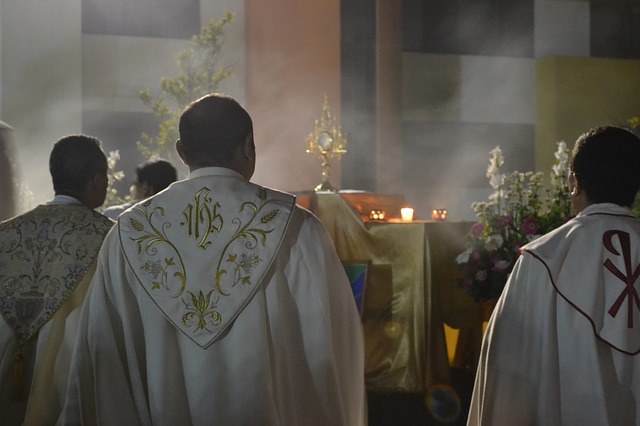
Pope Clement VIII: “We have determined to establish publicly in this Mother City of Rome an uninterrupted course of prayer in such ways that in the different churches, on appointed days, there be observed the pious and salutary devotion of the Forty Hours, with such an arrangement of churches and times that, at every hour of the day and night, the whole year round the incense of prayer shall ascend without intermission before the face of the Lord”(Letter titled
Graves et diuturnae, November 25, 1592).
Read the rest

By Claire Dwyer
It was almost immediately when I started intentionally covering my family members in prayer years ago that I realized the magnitude of participating in the power of Christ who drives out demons and destroys strongholds. “You want to play that game?” the darkness seemed to sneer, surfacing from areas I hadn’t suspected.
Read the rest

by Charles D. Fraune
For those who were not brought up in an authentically Catholic cultural environment, Halloween can easily take on the character of a death festival.
Read the rest

A friend is the fabric which covers your life with Christ love. One friend’s famous quote sown in my soul is, “We all know Jesus loves us but sometimes you need Jesus with skin on.” A true friend is one who shows Christ’s love in action.
Read the rest
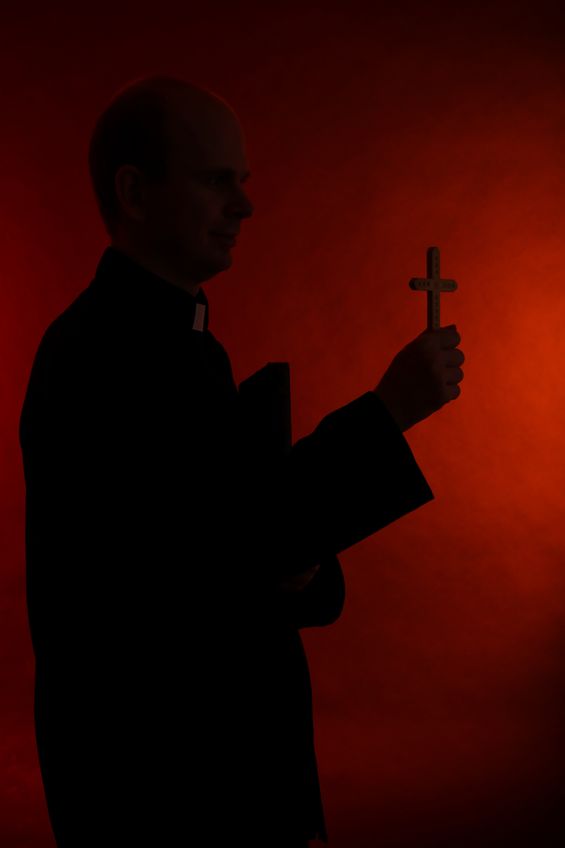
According to exorcist Fr. Francesco Bamonte, “the extraordinary actions of the devil refer to his particular actions on matter. Important: it is far more interesting to demons to keep people enslaved to sin and to bring them ultimately to the greatest misfortune — eternal damnation — than it is to provoke a series of misfortunes.”
Read the rest
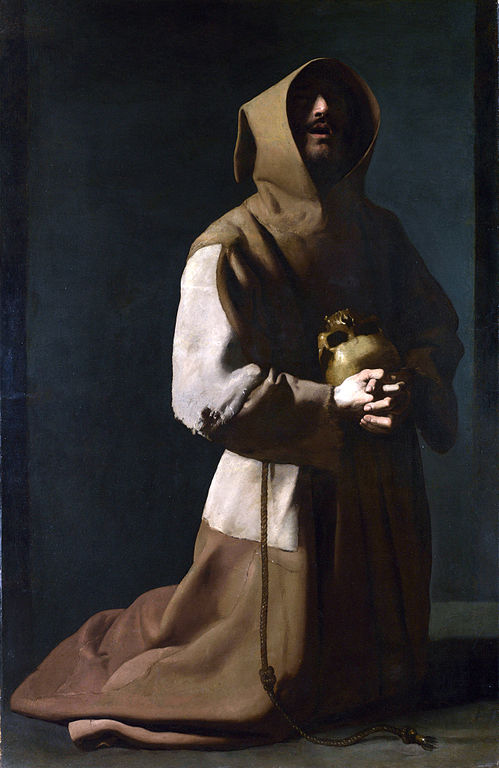
The fact that, during his lifetime, Saint Francis of Assisi (1182 - 1226) enjoyed a deeply personal connection to all aspects of creation has been documented thoroughly over the eight centuries since his death. Stories and legends abound surrounding his interactions with elements of the natural world and creatures of all kinds.
Read the rest
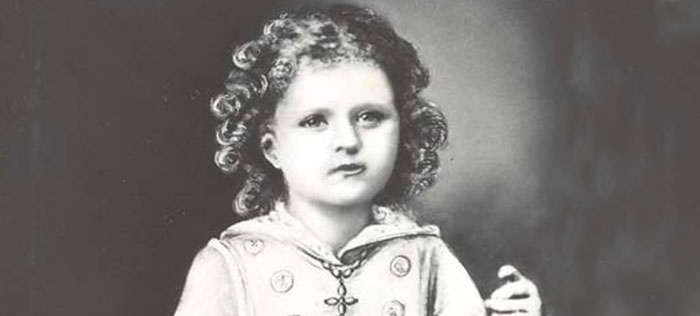
Saint Therese of Lisieux is one of the most beloved of God’s closest friends. Affectionately known as the Little Flower, her holiness of life attained global renown very quickly in the aftermath of her untimely death in 1897. For one who lived only 24 years, the final nine as a cloistered Carmelite nun, her speedy impact on the world was nothing short of phenomenal.
Read the rest
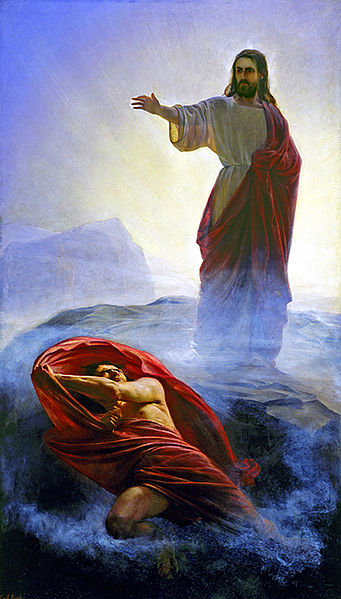
Temptation is the devil’s ordinary mode of action (see
1 John 3:8– 10). Satan is the tempter (1 Thess. 3:5), and just as he incited the Fall, he still directly influences us to reject grace and commit sin. Temptation is common to all.
Read the rest

I was not a good candidate for being a homeschool mom. I felt underqualified, overcommitted, and feared I would be walking in unknown territory. Thankfully, I was never asked to do so. Until...
Read the rest

The canonized women who are mothers add to our altars a special kind of incense – a two-fold fragrance of motherhood, both natural and spiritual. The very definition of their sainthood reveals that the life of the soul was sacrosanct to them and that while they nurtured the physical life of their children, it was eternal life which they desired to impart above all.
Read the rest